The ocean has long been humanity’s dumping ground. Today, an estimated 11 million tons of plastic enter it annually, forming floating garbage patches and choking marine life. But in 2025, an army of autonomous ocean cleanup robots is rising to the challenge.
From solar-powered surface vessels to deep-sea drones, technology is finally helping clean up what human activity has left behind.
These machines aren’t science fiction. They’re already patrolling coastlines, harbors, and open waters, working tirelessly to collect waste, track pollution, and even prevent new debris from entering the sea. The future of ocean cleanup is robotic, and it’s just getting started.
The Rise of Ocean-Cleaning Robots
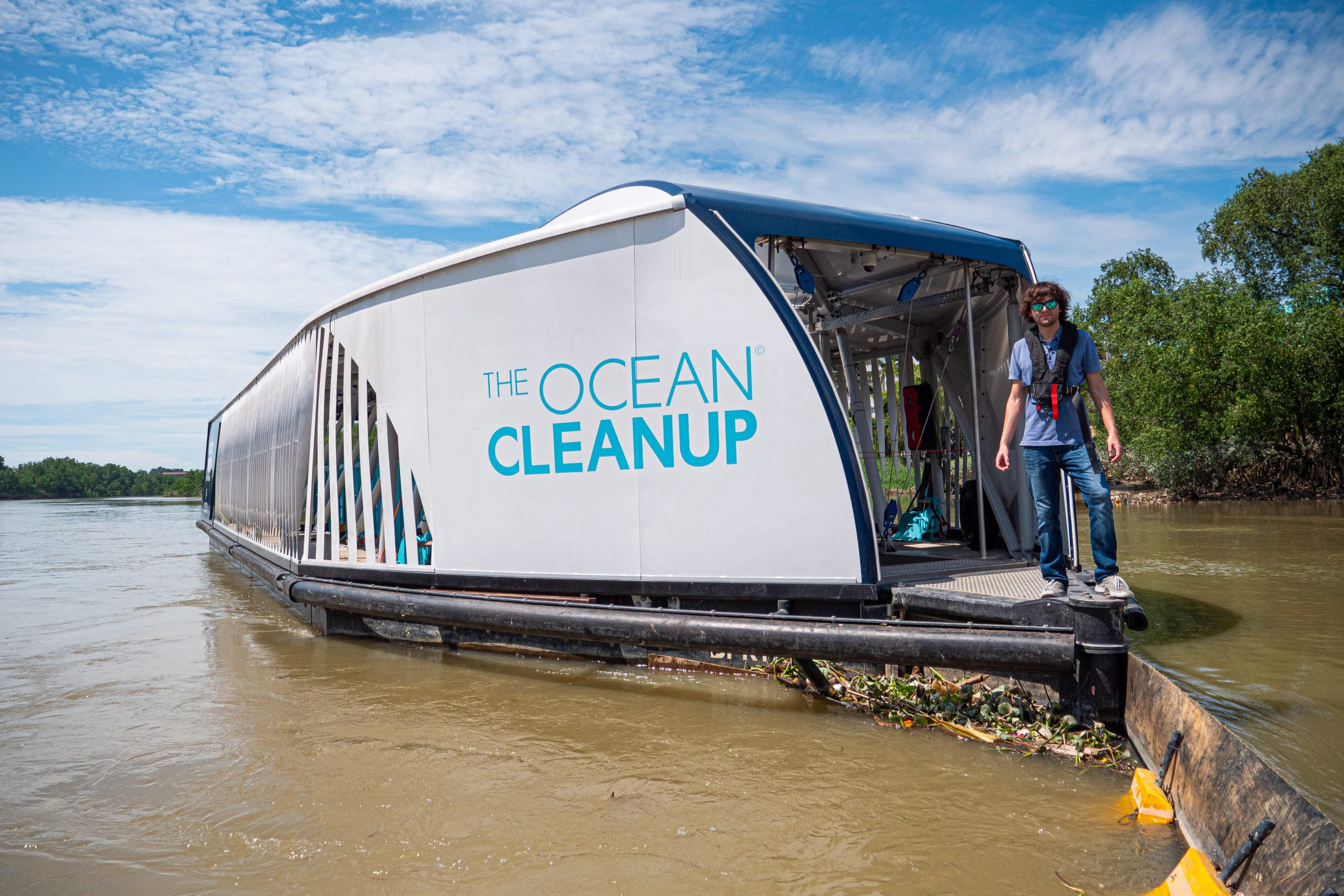
One of the most significant breakthroughs has come from The Ocean Cleanup Project, which started with floating barriers and has since expanded into autonomous “Interceptor” vessels. These solar-powered boats use conveyor belts to collect plastic from rivers before it reaches the ocean. Each Interceptor can remove up to 100,000 kilograms of debris per day, guided by AI that identifies and directs waste toward its intake.
Other innovators are tackling cleanup from below the surface. The RanMarine WasteShark, inspired by whale sharks, skims the water to gather trash and oil while monitoring water quality. Meanwhile, Japan’s SeaBin Project has adapted marina-based filtration systems that draw in water, trap floating debris, and release clean water back into the ecosystem.
These small but intelligent robots are designed to work continuously, quietly restoring balance one piece of trash at a time.
Curious how green tech drives growth? Read How Climate Innovations Are Powering the Green Economy.
Diving Deeper: Underwater Cleanup Bots
While surface-level plastics are visible, much of the ocean’s pollution sinks to the seafloor. Enter the next generation of deep-sea drones. Equipped with cameras, sonar, and magnetic collectors, these robots scour the ocean bottom for discarded metal, fishing gear, and microplastics.
One prototype, Clearbot Neo, uses AI image recognition to identify debris types and map pollution density. It autonomously navigates cleanup routes while transmitting environmental data to researchers in real-time. Another project, Autonomous Underwater Vehicle (AUV) Pelagia, developed by marine institutes in Europe, collects samples from fragile coral and sediment zones to study how pollutants spread through aquatic ecosystems.
Together, these technologies form a multi-layered cleanup network that can reach where humans can’t and operate safely for long durations.
Artificial Intelligence Meets Environmental Action
AI is transforming how cleanup operations are planned and measured. By analyzing satellite imagery, drones, and sonar data, machine learning models can pinpoint where waste is accumulating and predict how currents will move debris. This allows fleets of cleanup robots to coordinate their routes efficiently, saving time, energy, and resources.
These same algorithms help distinguish between natural materials, such as seaweed, and harmful plastics, ensuring the ocean’s living systems aren’t disturbed. In effect, the robots are learning to be environmentally intelligent, understanding the difference between cleaning and interfering.
For a broader view of everyday AI, see How AI Is Changing Everyday Life — Subtly but Completely.
Turning Trash into Treasure
Collecting waste is only half the mission. The true challenge lies in what happens next. Many cleanup initiatives now recycle or repurpose the collected debris into new materials. Plastic retrieved by The Ocean Cleanup, for example, has been transformed into eyewear, phone cases, and even automotive parts.
Startups are experimenting with converting marine waste into 3D printing filament or construction materials. The idea is to close the loop, ensuring that ocean trash doesn’t just move from sea to landfill but becomes part of a sustainable circular economy.
Some cleanup robots are even designed to generate their own energy from the waste they collect. Researchers are testing systems that can convert organic ocean debris into fuel to power the next phase of cleanup, a self-sustaining cycle of restoration.
To explore smarter materials that prevent ocean waste, explore How Biodegradable Plastics Are (Finally) Getting It Right.
A Cleaner Horizon
While robotics alone won’t solve the ocean pollution crisis, they’re providing a powerful assist. Combining automation with human stewardship allows for large-scale cleanup that was once impossible. The next step is prevention: more innovative waste management on land, stricter regulations for ocean dumping, and better public awareness of consumption habits.
The rise of ocean-cleaning robots is more than a technological achievement; it’s a sign of hope. For the first time, humanity isn’t just polluting faster than it can clean; it’s beginning to reverse the tide.