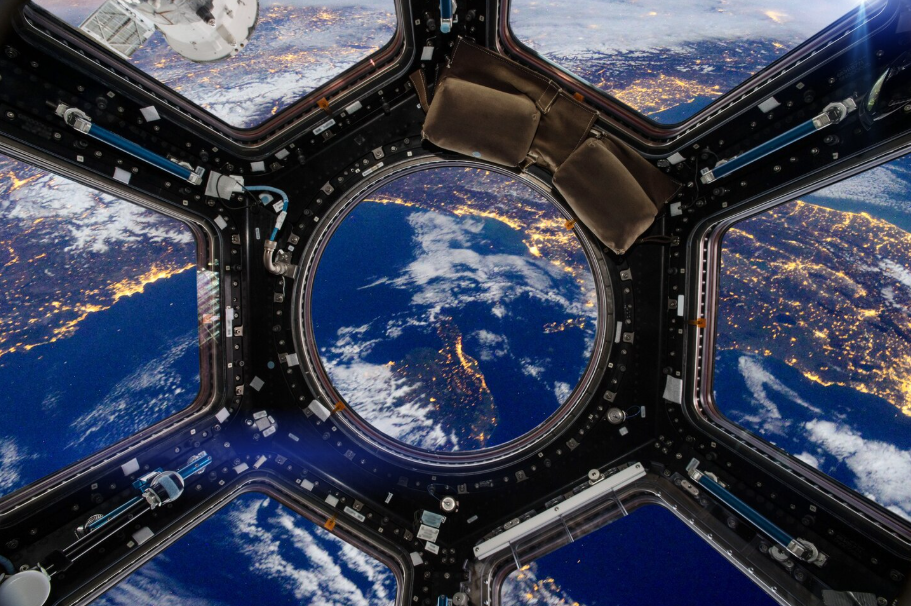
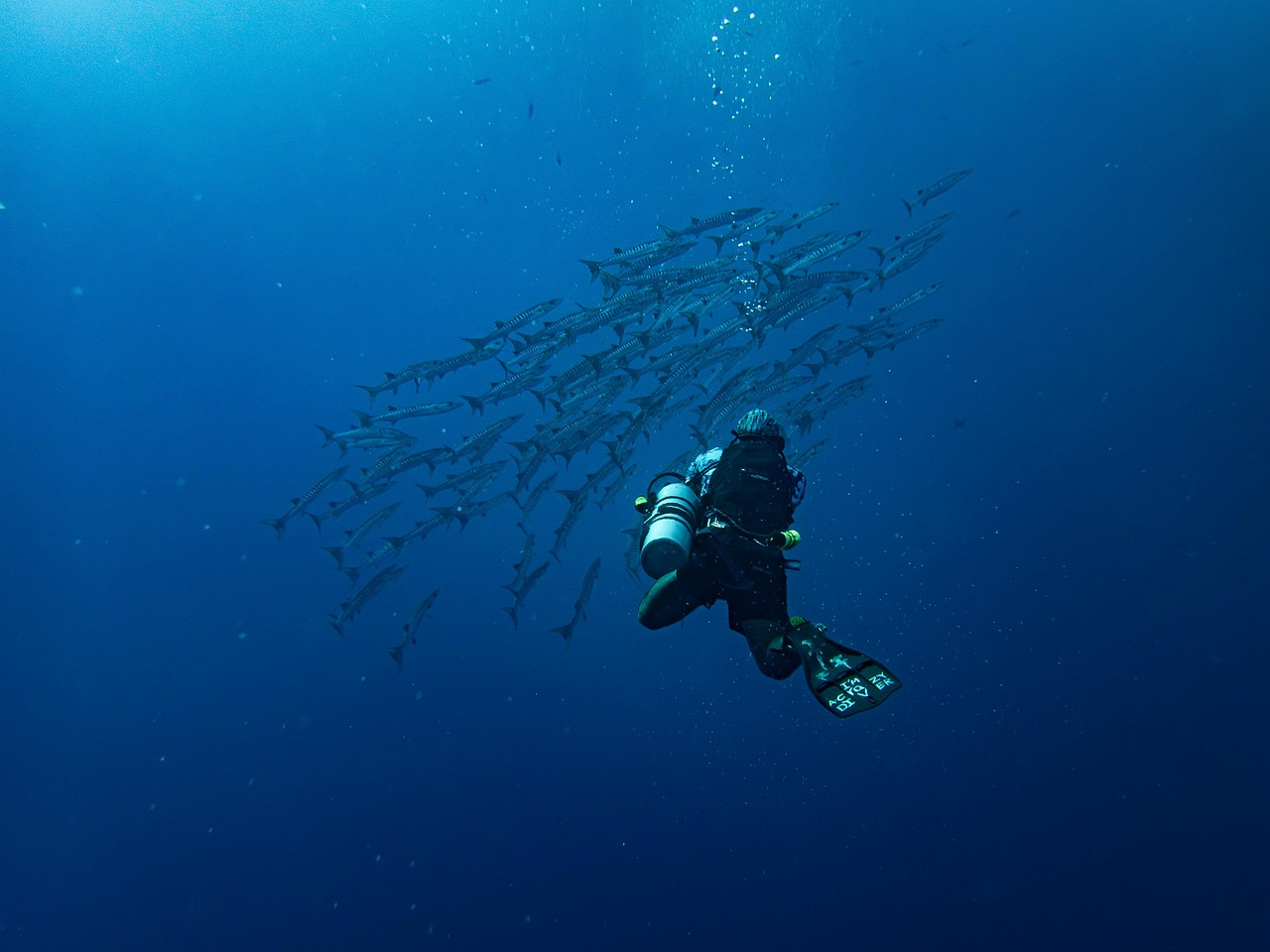
Despite decades of exploration and satellites mapping the stars, more than 80% of Earth’s oceans remain uncharted. In 2025, deep ocean exploration remains our planet’s last great frontier, a realm of mystery where sunlight never reaches, pressure crushes steel, and life thrives in alien-like forms.
Scientists are now venturing farther and deeper than ever before, uncovering ecosystems, minerals, and biological marvels that could transform our understanding of life itself.
While outer space captures public imagination, the real frontier may lie right beneath our feet and hold the keys to medicine, climate balance, and even the origins of life.
The Hidden World Beneath the Surface
The deep ocean begins roughly 200 meters below the surface, where light fades and temperatures drop near freezing. At greater depths, the environment becomes so extreme that few believed life could exist there, until submersible missions proved otherwise.
Hydrothermal vents on the ocean floor, for example, host entire ecosystems powered not by sunlight but by chemosynthesis, the process in which organisms convert chemical energy from Earth’s interior into life-sustaining fuel. These microbial communities form the foundation of intricate food webs, supporting giant tube worms, clams, and shrimp that are adapted to thrive in complete darkness.
Scientists now suspect such ecosystems may resemble those on icy moons like Europa or Enceladus, offering clues about extraterrestrial life. The more we study Earth’s deep ocean, the more we learn about the conditions that could sustain life elsewhere.
For a look at autonomous machines transforming, see Meet the Robots Cleaning Our Oceans.
Breakthrough Technology for Exploration
Exploring the deep ocean has always been a technical challenge. Pressure increases by one atmosphere every 10 meters, and crushes nearly anything not purpose-built for survival. But new generations of autonomous underwater vehicles (AUVs) and remotely operated vehicles (ROVs) are changing that.
Equipped with advanced sensors, cameras, and AI navigation, these robots can map seafloors in high resolution, collect samples, and monitor habitats for months without human presence. Some are powered by renewable energy systems or thermal gradients, allowing near-continuous operation.
The Ocean Discovery League and NOAA’s Seabed 2030 Project aim to map the entire ocean floor by the end of the decade. Already, researchers are discovering previously unknown trenches, undersea volcanoes, and coral systems extending for hundreds of miles. Each mission reveals how little we’ve truly explored, and how much more there is to learn.
Discoveries with Global Implications
Deep-sea research isn’t just about curiosity; it’s reshaping industries and environmental science. Marine biologists have identified deep-sea species that produce compounds with the potential to combat cancer, infections, and antibiotic resistance. These natural molecules could become the foundation for future pharmaceuticals.
Meanwhile, oceanographers are studying how deep currents regulate Earth’s climate by storing carbon and redistributing heat. The deep sea acts as a vast carbon sink, and understanding its circulation patterns is crucial for accurately predicting climate change.
On the industrial side, interest in deep-sea mining is increasing due to deposits of rare earth metals, including cobalt, manganese, and nickel, which are vital for renewable energy technologies. However, extracting these resources risks destroying fragile ecosystems that have evolved over millions of years. Scientists are urging caution, calling for global regulations to be implemented before large-scale mining begins.
Check out Inside the Next Frontier of Battery Technology to understand power systems and their role in exploration.
The Ethics of Exploration
As humanity’s reach extends into the deep, ethical considerations mirror those of space exploration. Who owns the ocean floor? How do we strike a balance between discovery and preservation? The International Seabed Authority is developing guidelines to protect biodiversity while allowing scientific research; however, enforcement remains challenging across international waters.
Some researchers advocate for designating the deep ocean as a “global commons,” protected from exploitation much like Antarctica. The idea reflects a growing belief that some frontiers should be explored, but not consumed.
Don’t miss Inside the Quest to Decode Animal Communication for clues on marine species communication.
The Mystery That Keeps Us Diving
For all its technological and scientific potential, the deep ocean remains humbling. Every dive reveals new forms of life, such as glowing jellyfish, transparent sea cucumbers, or ancient coral gardens that have remained untouched for millennia. Each discovery reminds us that Earth’s greatest mysteries may not lie beyond the stars, but within our own planet.
In exploring the deep, we’re not just uncovering new species or resources; we’re also discovering new insights into the world around us. We’re rediscovering our connection to a world that sustains all life above it. The more we descend, the more we realize how little we truly know.