The way we order dinner is changing faster than the food itself can be prepared. In 2025, the future of food delivery has evolved into a high-tech ecosystem of automation, efficiency, and hyperlocal innovation.
From buzzing drones in the sky to autonomous robots rolling down sidewalks, the industry is redefining what it means to get a “fresh meal fast.”
What started as a convenience during lockdowns has become a permanent pillar of modern life, all powered by artificial intelligence, robotics, and sustainability. The future is faster, smarter, and surprisingly greener.
Drones Take to the Skies
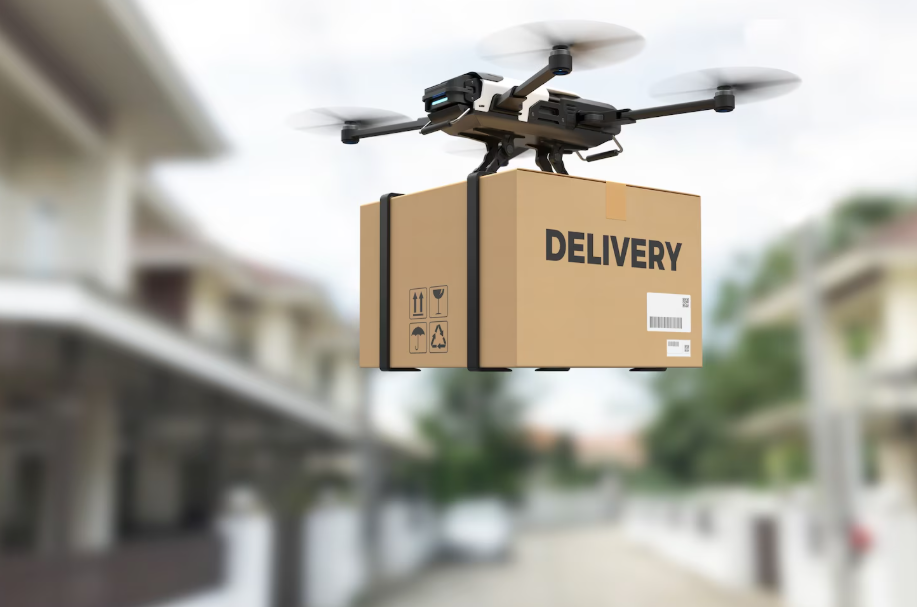
The most significant transformation is happening above our heads. Drone delivery, once a novelty, is becoming mainstream in many urban and suburban areas. Companies like Wing, Amazon Prime Air, and Zipline now operate fleets capable of delivering groceries, takeout, and even pharmaceuticals in under 15 minutes.
Advances in navigation, safety systems, and battery life have made drones more efficient and eco-friendly. A single electric drone can complete multiple deliveries using less energy than a car trip, and with zero emissions. They’re also reducing traffic congestion in cities, particularly during peak hours.
Rural communities are also experiencing significant benefits. Drones can cover long distances to deliver fresh produce and medicine where traditional couriers struggle to reach. In countries like Rwanda and Australia, drone networks are already revolutionizing supply logistics for remote regions.
See Inside the Next Frontier of Battery Technology to understand the systems enabling longer drone routes.
Robots on the Move
While drones dominate the skies, autonomous delivery robots are taking over the sidewalks. Compact, sensor-equipped machines from companies like Starship Technologies, Serve Robotics, and Kiwibot now operate on college campuses and in city neighborhoods, ferrying everything from coffee to groceries.
These robots navigate traffic, pedestrians, and weather with remarkable precision. They use computer vision and AI mapping to follow safe routes, communicating with traffic systems and even greeting customers at the door.
Their quiet efficiency is also winning over city planners. Robots reduce vehicle emissions, minimize noise pollution, and free up delivery drivers for more complex tasks. As cities adapt their infrastructure by adding robot-friendly lanes and drop-off hubs, robotic delivery is becoming an integral part of the everyday urban landscape.
Check out How AI Is Changing Everyday Life to see how background algorithms schedule orders.
The Rise of Neighborhood Kitchens
Behind the scenes, another innovation is reshaping how food delivery works: neighborhood kitchens, also known as ghost kitchens or micro-kitchens. These small, strategically placed hubs operate without dining rooms, serving only online orders. By cooking closer to customers, they slash delivery times and energy use while allowing restaurants to expand without building new storefronts.
Some are fully automated, run by robotic chefs capable of preparing hundreds of dishes per day with consistent quality. Others host multiple restaurant brands under one roof, streamlining costs and logistics. It’s a model that combines local efficiency with global reach. Your favorite restaurant might now exist entirely online, powered by a kitchen you’ve never seen.
Neighborhood kitchens are also democratizing entrepreneurship. Independent chefs can rent space, test new menus, and reach customers directly through delivery apps, all without the significant startup costs associated with traditional restaurants.
Read The Global Coffee Shortage for how supply shocks affect pricing and consumer demand.
Sustainability and Smarter Logistics
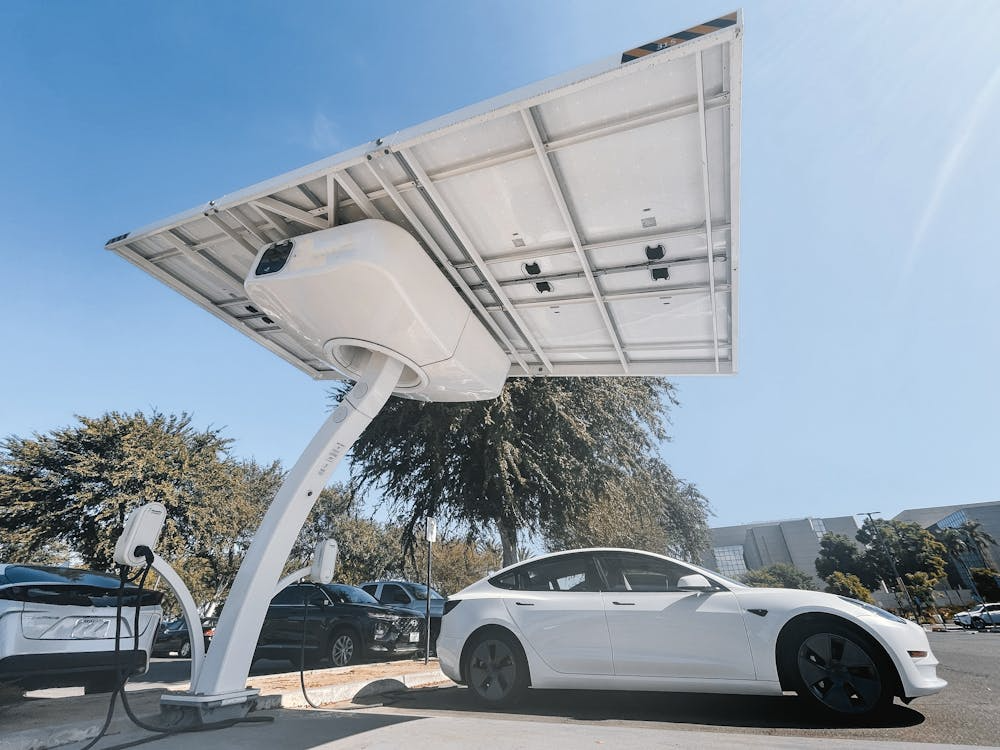
The future of food delivery isn’t just about speed; it’s about sustainability. AI-driven logistics platforms are optimizing delivery routes in real time, reducing fuel consumption and waste. Electric bikes and vehicles are replacing gas-powered fleets, while biodegradable and reusable packaging is becoming standard practice.
Even food waste is being tackled through data. Predictive analytics help kitchens prepare just the right amount of ingredients based on local demand, minimizing spoilage. Some companies are even upcycling leftovers into new products or redistributing surplus meals to local charities.
This tech-driven efficiency is transforming an industry once criticized for waste into a surprising ally in sustainability.
Human Touch in a Robotic World
Despite automation, the future of delivery still relies on human creativity and care. Many consumers now choose restaurants based on transparency, including where food is sourced, how workers are treated, and the environmental friendliness of the delivery process. Technology is simply the enabler; human connection and quality still drive loyalty.
The next decade will likely blend the two: AI predicting what you’ll crave, robots preparing and delivering it, and chefs ensuring every bite still feels personal.
In the race to deliver faster, the industry may have stumbled upon something more profound by developing a more innovative, more sustainable way to feed a connected world.