
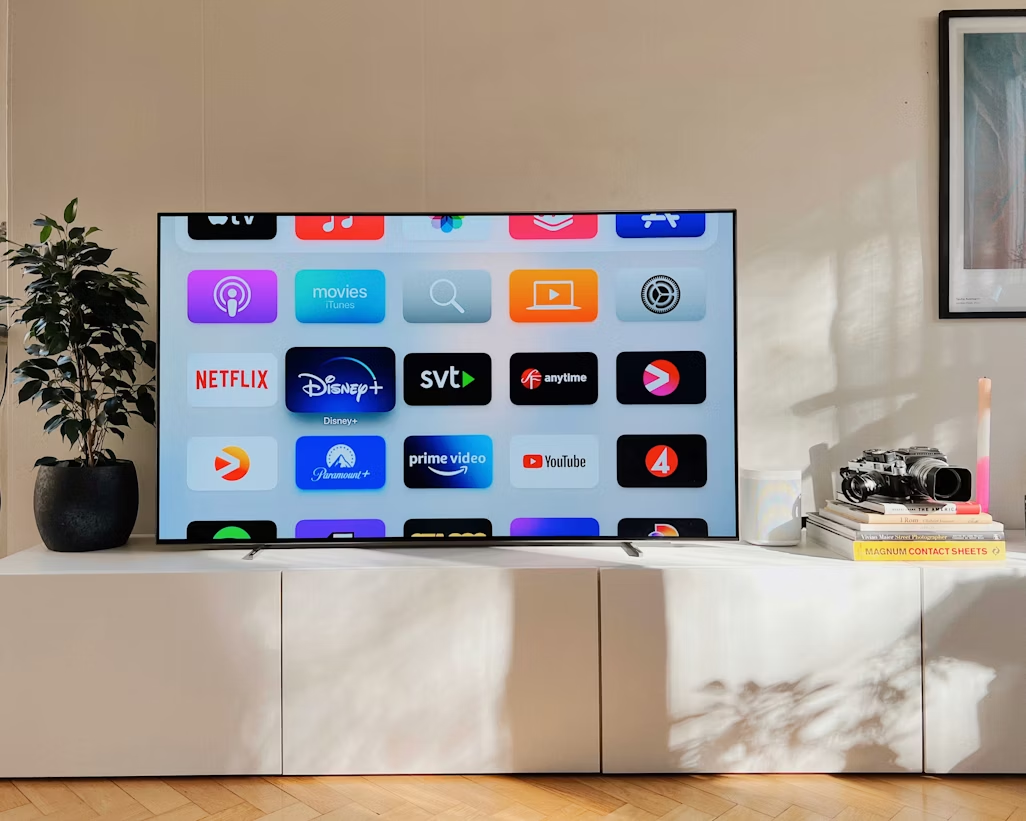
Once hailed as the golden age of entertainment, the streaming world is facing a new kind of crisis: exhaustion. After years of adding platform after platform, viewers are hitting a breaking point. Streaming subscription fatigue has set in.
In 2025, audiences are overwhelmed by choice, rising costs, and the need to remember too many logins. What was supposed to simplify watching TV has become complicated again. The streaming shake-up now unfolding is changing how people watch, pay for, and value their entertainment, and forcing major platforms to rethink their strategies.
Too Many Platforms, Too Little Time
A decade ago, the promise of streaming was freedom: cancel cable, pay less, and watch what you want anytime. But now, there are hundreds of services competing for attention, each with exclusive shows and shifting libraries. From Netflix and Disney+ to niche platforms for sports, documentaries, and anime, the abundance has created chaos.
Viewers report subscription fatigue not just from cost, but from the sheer effort of managing it all. With content scattered across platforms, finding a specific title can mean hopping between apps or paying for multiple services simultaneously. What was once liberating has turned into digital clutter.
This has led many users to “subscription-cycling,” which is where customers subscribe briefly to binge a show, then cancel until the next season. Others are returning to free, ad-supported services to cut expenses. The message to streamers is clear: audiences want simplicity, not fragmentation.
See The Psychology of Clutter: Why It Drains You and How to Fix It for a quick way to cut digital mess
The Economics of Overload
The streaming industry’s financial model is under pressure. Platforms that once pursued growth through massive content spending are now tightening their budgets and consolidating their catalogs. Price hikes have become common, while password-sharing crackdowns frustrate users who feel they’ve already invested enough.
At the same time, advertisers are reentering the picture. Ad-supported tiers are now standard, allowing lower-cost or free access in exchange for commercials. Ironically, the “no ads” revolution has come full circle. Users are once again watching spots before their shows, just as they did with traditional TV.
Analysts predict that consolidation will define the next phase of the streaming industry. Mergers, partnerships, and content-sharing deals will reduce redundancy, enabling both companies and consumers to navigate the crowded marketplace more effectively.
Check out How Gen Z Is Redefining Success at Work to learn the value mindful time use and purposeful media.
Quality Over Quantity
After years of binge-driven consumption, audiences are seeking something deeper: quality storytelling and emotional connection. The novelty of endless scrolling has worn off, replaced by a craving for meaning and fewer, better options.
This cultural reset has given rise to smaller platforms specializing in curated, high-quality content. Services offering art films, international series, or educational programming are thriving among viewers burned out by the mainstream glut. Even major players are shifting priorities and focusing on prestige productions and evergreen hits rather than overwhelming quantity.
Creators are also adjusting. As budgets tighten, studios are experimenting with smaller casts, intimate storytelling, and hybrid release models that combine streaming with limited theatrical runs. The result may be fewer titles overall, but ones with longer cultural lifespans.
Explore Digital Detox 2.0: The New Rules of Screen-Life Balance for easy boundaries that curb app-hopping
The Return of Shared Viewing
Interestingly, subscription fatigue is rekindling an old phenomenon: communal watching. As friends and families look for ways to reconnect without adding costs, group watch parties, live streaming events, and even old-fashioned “movie nights” are making a comeback.
Platforms are noticing. Interactive features, such as synchronized playback, live chat, and watch-along experiences, are designed to bring the social element back to streaming. This shift toward shared experience mirrors a broader trend. People want entertainment that feels human again.
See Five Ways to Protect Your Online Privacy in 2025 to manage logins and permissions.
What’s Next for Streaming
The future of streaming lies in balance. Viewers want flexibility and value, not constant churn. The industry’s next wave will likely feature fewer bundled services offering tailored packages. Think “build-your-own-streaming” options or super-platforms that aggregate multiple subscriptions under one interface.
The streaming boom of the 2010s was about abundance; the 2020s are about refinement. Subscription fatigue isn’t the end of streaming. It’s the natural correction that will make entertainment more innovative, simpler, and more sustainable for both viewers and creators.