
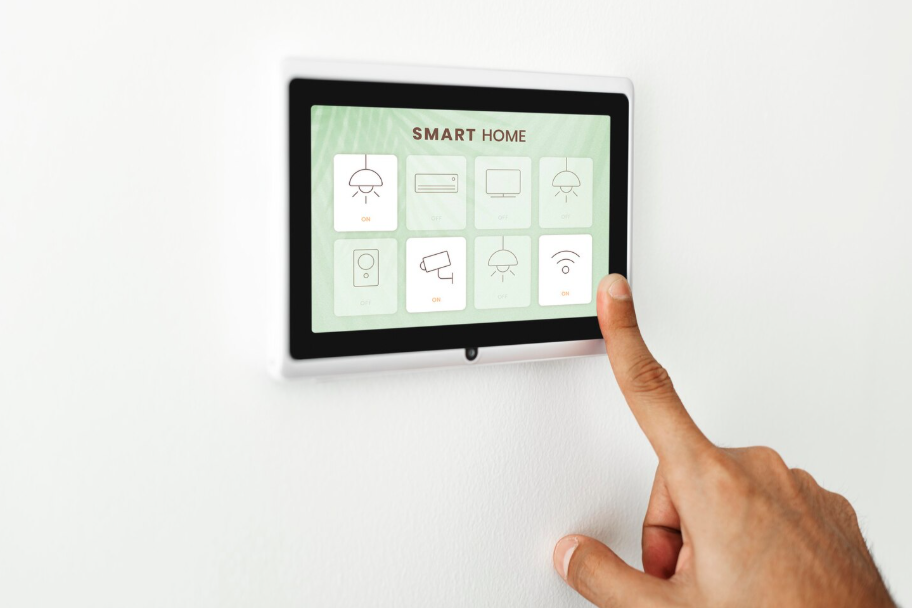
As energy prices fluctuate and climate awareness grows, homeowners are discovering that saving money and helping the planet can go hand in hand.
In 2025, new technologies and home energy hacks are making it easier than ever to cut household energy use without sacrificing comfort. Whether you live in an apartment or a single-family home, minor efficiency upgrades can significantly shrink both your utility bill and your carbon footprint.
Energy conservation is no longer just an environmental goal. It’s a lifestyle upgrade that pays for itself.
Start with Smart Devices
The rise of smart home technology has transformed how people manage energy. Smart thermostats automatically adjust temperatures based on your habits, learning when you’re home, asleep, or away. By optimizing heating and cooling cycles, they can reduce energy use by up to 20% without you noticing the difference.
Smart plugs and lighting systems go even further. You can schedule lights to turn off automatically, monitor power-hungry appliances in real time, and even receive app notifications if something is left running.
Newer models use AI to predict and suggest energy-saving adjustments tailored to your specific usage patterns. It’s convenience with a conscience, and often, the savings cover the cost of the devices within a year.
See the bigger picture of clean tech progress in How Climate Innovations Are Powering the Green Economy.
Upgrade What Matters Most
Some of the most impactful energy hacks involve upgrades to everyday systems that quietly waste power. For most homes, heating and cooling consume nearly half of total energy use. Replacing old HVAC units with energy-efficient models or installing ductless heat pumps can result in significant savings over time.
Windows are another overlooked culprit. Drafty or single-pane glass allows heat to escape in winter and sunlight to overheat rooms in summer. Modern double- or triple-pane windows with low-emissivity coatings maintain interior comfort while reducing strain on your climate systems. If a full replacement isn’t feasible, weather stripping and thermal curtains can make a surprising difference.
Appliance upgrades also matter. Look for ENERGY STAR–certified models that use advanced sensors to optimize water and power consumption. New washing machines, refrigerators, and dishwashers can cut electricity usage by 25–40% compared to older units.
Read The Psychology of Clutter: Why It Drains You and How to Fix It to enjoy clear space, clear mind, and clear bills.
Harness the Power of Nature
Not all energy hacks rely on gadgets. Some of the simplest solutions are also the oldest. Take advantage of natural light during the day—open blinds and curtains instead of flipping on lamps. In warmer months, use cross-ventilation to cool your space rather than relying solely on air conditioning.
Planting shade trees or adding greenery around your home can lower surrounding temperatures and reduce cooling demand. Meanwhile, reflective or “cool” roofs deflect heat rather than absorb it, keeping interiors comfortable and reducing strain on your HVAC system.
If you own your home, consider installing solar panels or subscribing to a community solar program. Costs have dropped dramatically, and many local programs now offer incentives or net-metering credits that turn excess power into savings.
Curious about cleanup beyond the home? See Meet the Robots Cleaning Our Oceans to see sustainability at scale.
Change Daily Habits — Small Shifts, Big Impact
Simple behavioral changes compound over time. Turning off lights when leaving a room, washing clothes in cold water, and unplugging chargers when not in use are easy habits that add up. Many households waste energy passively through “phantom loads,” where electronics continue to draw power even when turned off. Smart power strips can automatically cut power to idle devices, saving both energy and money.
Laundry and dishwashing schedules also make a difference. Running major appliances during off-peak hours takes advantage of lower energy rates and eases demand on the power grid. Some utilities even offer dynamic pricing plans that reward energy-efficient timing.
For savings beyond utilities, see How to Build a Smarter Grocery Budget Without Sacrificing Quality.
Efficiency as a Way of Life
Energy efficiency isn’t about deprivation. It’s about a wiser use of resources. Every watt saved reduces emissions and costs while promoting resilience in the face of rising global energy demand. As technology advances, the opportunity for everyday people to make a measurable difference grows, one switch and sensor at a time.
A more efficient home doesn’t just save energy; it creates comfort, independence, and sustainability for the long term. When you invest in efficiency, you’re not just lowering your bills; you’re helping build a cleaner, more resilient planet for everyone.