
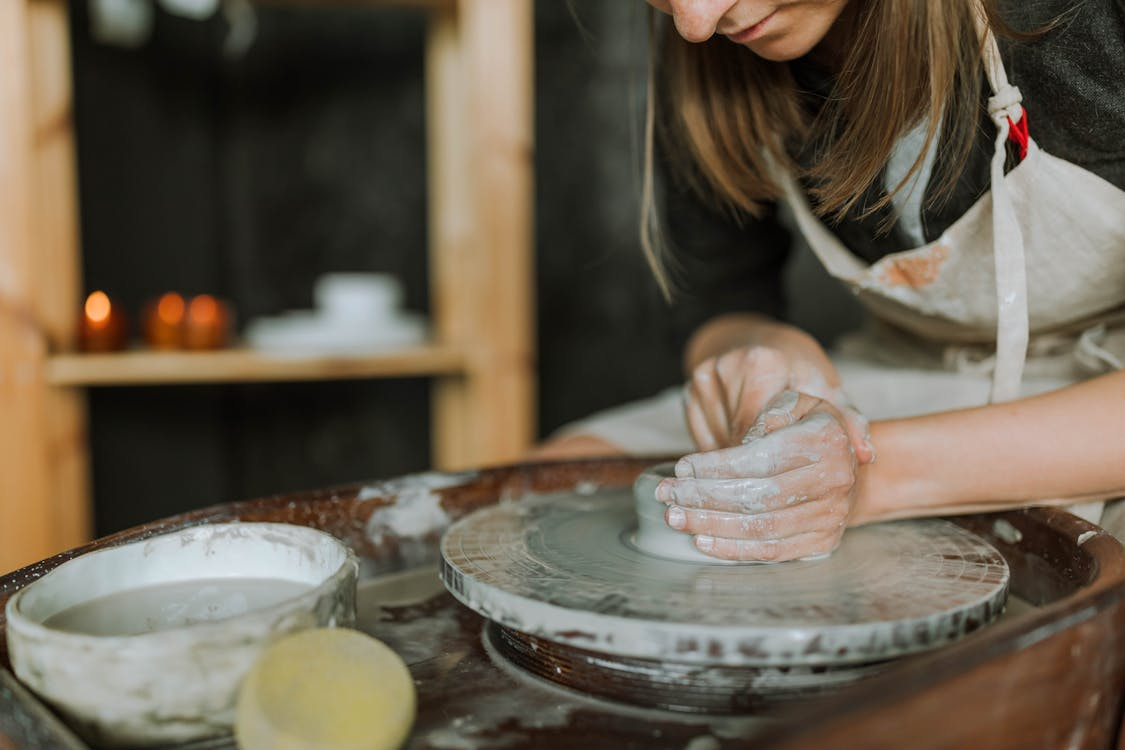
After years of fast-paced digital living, adults everywhere are rediscovering something delightfully old-fashioned: the joy of craft hobbies for adults..
In 2025, the revival of hands-on crafts, including woodworking, pottery, knitting, and painting, reflects a cultural shift toward creativity, mindfulness, and tangible satisfaction. What was once a casual pastime has evolved into a form of therapy, community, and even self-expression in an increasingly virtual world.
In a time when many people feel burned out and disconnected, hobbies are becoming the antidote. They’re a way to slow down, make something real, and remember what joy feels like when it isn’t optimized for likes or productivity.
Escaping the Digital Grind
Modern life has blurred the line between work and rest. Screens dominate nearly every hour of the day. Even leisure has become performative due to its documentation, posting, and analysis. The renewed interest in hands-on activities is, in part, a rebellion against this digital fatigue.
Psychologists call it “productive relaxation,” which describes activities that engage focus without pressure, providing a sense of accomplishment and calm. Whether it’s throwing clay on a wheel, strumming a guitar, or tending a garden, these tactile experiences restore what constant connectivity erodes: presence.
A growing body of research links crafting and similar hobbies to reduced anxiety and depression. Repetitive, skill-based activities trigger flow states — periods of deep focus that quiet mental noise and promote emotional balance. For many adults, crafts are becoming what meditation once was: a grounded, creative escape.
Read From Vinyl to Cassettes: Why Analog Media Keeps Coming Back for a parallel return to tactile, analog joy.
A Cultural Shift Toward Slower Living
The pandemic years played a key role in reawakening the hobby habit. As lockdowns confined people to their homes, millions turned to creative outlets to fill time and manage stress. That spark never faded. It evolved into a lasting cultural movement.
Now, the “slow living” mindset is reshaping how people spend their downtime. The rise of DIY studios, craft subscription boxes, and local maker workshops has made creativity more accessible than ever. Online platforms like Etsy and TikTok have also played a role, transforming handmade crafts into both a hobby and a potential side business.
Yet at its core, this revival isn’t about profit; it’s about fulfillment. People are craving meaning, and hobbies offer it in the purest form: creation for its own sake.
The Neuroscience of Crafting
Science supports what hobbyists already know intuitively: creating with your hands is good for your brain. Crafting activates multiple neural pathways, integrating visual, tactile, and motor functions. This multisensory engagement enhances cognitive flexibility, memory, and emotional regulation.
In one study, adults who took up new creative hobbies exhibited improved problem-solving skills and a reduction in symptoms of burnout within weeks. The sense of progress, mastering a new stitch, perfecting a glaze, or finishing a song, reinforces motivation through the release of dopamine. It’s the brain’s natural reward for creativity, and unlike digital dopamine hits, it builds long-term satisfaction rather than fleeting pleasure.
Check out How to Keep Your Brain Sharp at Any Age to pair creative practice with brain-healthy habits.
Community and Connection Through Creation
Hobbies are also rebuilding something society has been losing: community. Local art centers, knitting circles, and makerspaces are thriving again, giving adults a reason to gather in person around shared interests. These spaces foster collaboration, mentorship, and a sense of belonging. All of which are essential ingredients for mental well-being.
The resurgence of group crafting reflects a desire for real-world connection in an era of virtual interaction. People are rediscovering the joy of learning together, celebrating imperfection, and valuing process over polish.
Even online hobby communities, once purely instructional, are shifting toward encouragement and support, which reminds participants that creativity isn’t a competition, but rather a collaboration.
Explore How Adults Are Relearning Connection for building a real-life community around hobbies.
Rediscovering Joy in the Ordinary
In many ways, the revival of hobbies is a return to balance. It’s a quiet rebellion against hustle culture. Moreover, it serves as proof that time spent without tangible productivity can still be deeply valuable. Making something with your hands, however small, reconnects you with the physical world and the satisfaction that comes with creation itself.
In a future filled with automation and artificial intelligence, handmade art, music, and craft remind us of what machines can’t replicate: the human touch.