For over a decade, minimalism ruled design and lifestyle trends. Clean lines, neutral tones, and the “less is more” mindset defined everything from home interiors to personal wardrobes. But in 2025, the cozy clutter trend is swinging the pendulum the other way.
A new aesthetic, one that is warm, layered, and deeply personal, is emerging. People are craving comfort over perfection, expression over restraint. The era of bare white walls is giving way to cozy, cluttered spaces that celebrate individuality and lived-in charm.
This shift isn’t just about taste; it reflects a cultural mood. After years of uncertainty and digital overload, people are seeking emotional refuge in their surroundings. The minimalist ideal of control and order is being replaced with something more human: imperfection, nostalgia, and a sense of comfort.
The Emotional Rebellion Against Minimalism
Minimalism promised calm through simplicity, but for many, it became another form of pressure and, eventually, a standard of purity few could sustain. The pristine, photo-ready homes featured in Instagram and design magazines often felt sterile and disconnected from real life. As people spent more time at home during and after the pandemic, the appeal of stripped-down spaces began to fade.
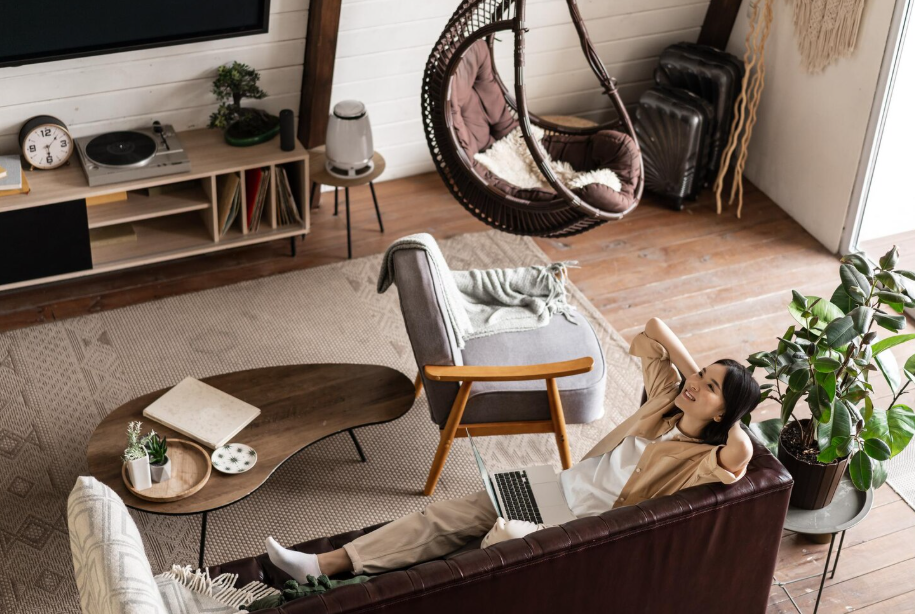
The rise of “cluttercore” and “maximalist cozy” styles signals a rebellion against that perfectionism. These aesthetics embrace texture, pattern, and abundance, and also include mismatched art, layered textiles, and cherished objects that tell stories. The goal is no longer to impress but to feel at home.
Psychologists note that personal objects can anchor emotional stability, evoking memories and feelings of comfort. A shelf of well-loved books or a mix of family heirlooms and flea market finds isn’t clutter. It represents identity made visible.
Check out The Psychology of Clutter: Why It Drains You and How to Fix It for practical resets.
The Return of Warmth and Color
Designers are leaning into warmth. Earth tones, vintage hues, and tactile materials are making a comeback. Deep browns, olive greens, mustard yellows, and terracotta replace sterile whites and grays. Lighting, too, has softened; diffused lamps and candles are replacing harsh LEDs.
Natural imperfections are celebrated rather than hidden. Handcrafted pottery, distressed furniture, and uneven wood grains lend character and authenticity to the space. Even tech design is shifting, and now smart home devices are being styled to blend with décor, not dominate it. The guiding principle is that homes should feel lived in, not staged.
This aesthetic resurgence mirrors the growing influence of sustainability and reuse. Instead of chasing new trends, people are curating spaces over time by mixing thrifted pieces, upcycled furniture, and sentimental items that make a house feel personal.
Craving slower, tactile living? Read From Vinyl to Cassettes: Why Analog Media Keeps Coming Back.
From Minimalist Mindset to Meaningful Living
The comeback of cozy clutter is also a philosophical phenomenon. It represents a return to meaning in an age of detachment. Where minimalism sought serenity through absence, this new approach finds peace through presence, and by reconnecting with the tactile and the tangible.
Many are realizing that “less” doesn’t automatically mean happier. Living meaningfully might mean surrounding yourself with reminders of experiences, loved ones, and creativity. Even workspace design is adapting, with eclectic, homey environments replacing sterile corporate minimalism.
Interestingly, digital life has amplified this craving for the analog. As most of our world exists on screens, we yearn for spaces that feel tactile and genuine. The warmth of a cluttered home becomes a grounding counterbalance to virtual living.
Want your home vibe to match your habits? See Digital Detox 2.0: The New Rules of Screen-Life Balance.
A Personalized Future of Design
The future of interior design is not about one style dominating another but about personal authenticity. Whether minimalist or maximalist, the question now is: does your space feel like you?
Designers predict hybrid aesthetics will dominate through “intentional clutter,” where objects are carefully chosen but comfortably arranged. The minimalist’s restraint meets the maximalist’s soul, producing environments that balance calm with personality.
Ultimately, the shift away from minimalism reflects a broader desire for connection, to our pasts, our possessions, and ourselves. In a world that’s increasingly digital and impersonal, the return of cozy, cluttered spaces reminds us that comfort and character still matter most.