Grocery prices have become a moving target in recent years, prompting many households to reassess their shopping and spending habits. But building a smarter grocery budget doesn’t mean settling for less.
With the right strategies, you can stretch your dollar, reduce waste, and still enjoy high-quality, nutritious meals. These grocery budgeting tips help you shop smarter, waste less, and eat better.
In 2025, budgeting for food is less about cutting back and more about shopping with purpose by using data, planning, and creativity to make every purchase count.
Step 1: Plan with Purpose, Not Panic
Impulse buying is the silent killer of any grocery budget. A successful plan starts before you ever enter the store. Take inventory of what you already have, then plan meals around those ingredients. Apps and digital planners can help by suggesting recipes that use up pantry items before they expire.
Next, create a weekly meal plan that strikes a balance between affordability and nutrition. Focus on versatile staples, such as rice, pasta, beans, and frozen vegetables, that can serve as the foundation for a variety of dishes. When planning, include one or two “flex meals” to account for unexpected schedule changes or leftovers, which can prevent midweek takeout splurges.
Finally, make a detailed shopping list and stick to it. According to consumer research, shoppers who use lists save up to 25% compared to those who browse aimlessly. Structure your list by store section to reduce backtracking and impulse picks.
For smarter label choices that match your plan, read How to Read Nutrition Labels Like a Pro.
Step 2: Shop Seasonally and Strategically
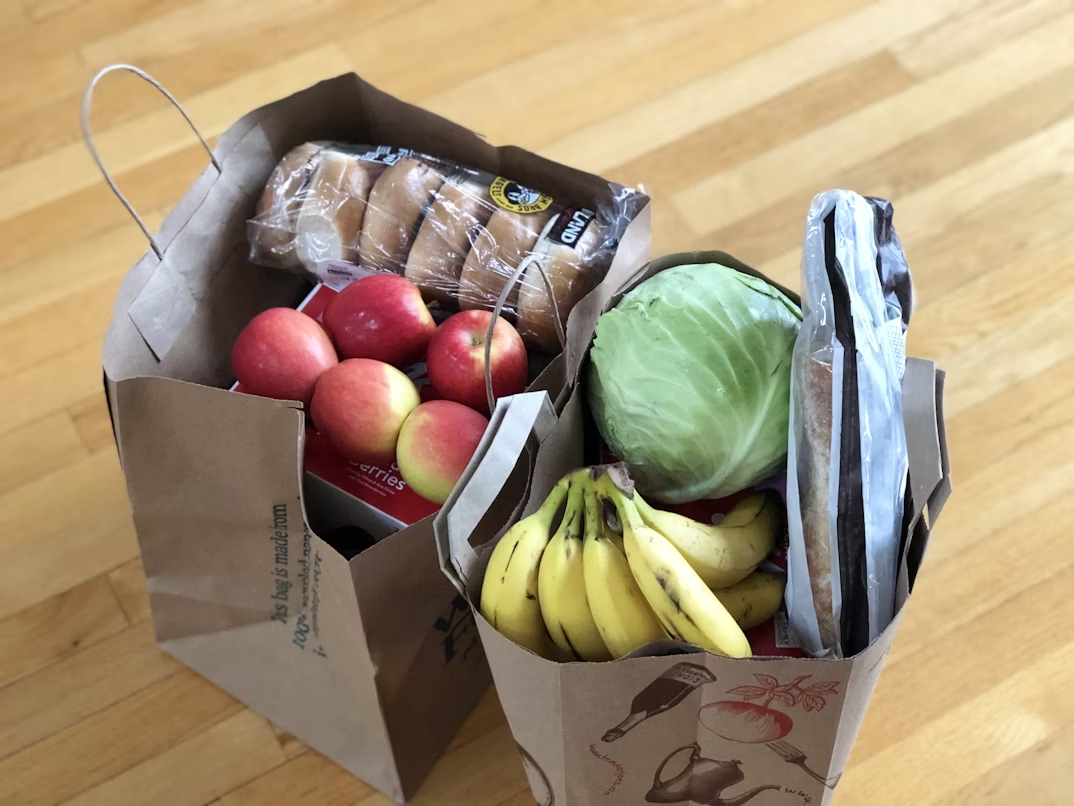
Buying produce in season isn’t just better for flavor — it’s cheaper and often more sustainable. Local fruits and vegetables are less affected by transport costs, which means better prices and fresher quality. Visit farmers’ markets or join community-supported agriculture (CSA) programs to get seasonal goods directly from growers at lower costs.
For packaged items, watch store sale cycles. Many supermarkets rotate discounts on staples like cereal, coffee, and canned goods every six to eight weeks. Tracking these patterns allows you to stock up strategically. Loyalty apps and digital coupons also personalize savings, showing you deals on products you actually buy.
If you shop online, use price comparison tools or browser extensions that flag discounts across multiple stores. The convenience of delivery can save time, but be sure to double-check fees to ensure the convenience doesn’t eat into your savings.
Explore The Future of Food Delivery: Drones, Robots, and Neighborhood Kitchens to time your deliveries accordingly.
Step 3: Master Unit Pricing and Hidden Costs
Price tags can be deceiving. The key to actual savings is understanding unit price, which is the cost per ounce, pound, or liter. Often, larger packages appear to be cheaper, but they aren’t. Check shelf labels or use your phone’s calculator to compare.
Be wary of “value” branding and marketing tactics. Words like “family size” or “premium” don’t always mean better value. Focus on the actual price per unit and nutritional content rather than packaging. Generic or store-brand items are often made by the same manufacturers as name brands but sold for 20–30% less.
Another hidden cost: food waste. Studies show the average household throws away nearly a third of its groceries. Storing food properly, such as freezing meat, sealing dry goods, and labeling leftovers, stretches your budget further than any coupon could.
Check The Global Coffee Shortage: What It Means for Your Morning Cup to understand how prices shift with supply.
Step 4: Balance Nutrition and Affordability
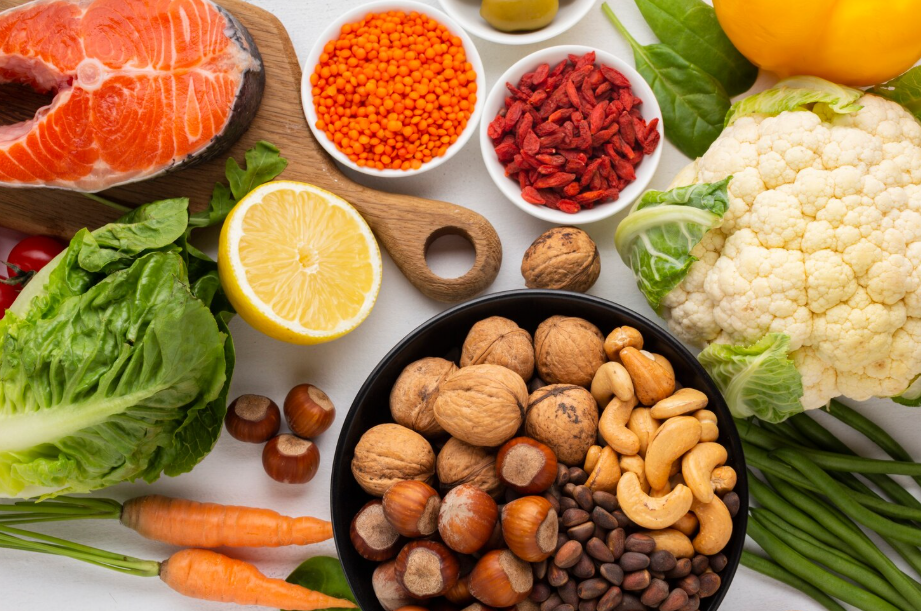
Eating well on a budget isn’t about deprivation; it’s about prioritization. Choose whole foods over processed ones whenever possible. A bag of dried lentils costs less and lasts longer than a can of soup. Frozen produce retains most of its nutrients and prevents spoilage.
Plan “anchor meals” built around affordable protein sources, such as eggs, beans, or chicken thighs, which can be stretched across multiple dishes. Pair them with nutrient-dense sides, such as brown rice, whole grains, and seasonal vegetables. Cooking in batches not only saves time but also saves money. Leftovers can be portioned for lunches or stored in the freezer for later use.
Step 5: Track, Adjust, and Reward Yourself
Like any budget, a grocery plan works best when reviewed regularly. Track your spending for a month to see where your money actually goes. You may find recurring costs, such as snack foods or drinks, quietly increasing your bill.
Celebrate progress by rewarding yourself when you meet savings goals, whether through a special dinner or a fun new recipe. Building good habits isn’t just about restriction; it’s about creating a sustainable, satisfying rhythm that makes budgeting feel empowering rather than limiting.
Don’t miss How Biodegradable Plastics Are (Finally) Getting It Right to choose better food packaging.
Key Takeaway
A smarter grocery budget doesn’t mean cutting corners. It means cutting waste. When you align spending with values and nutrition, you don’t just save money; you gain peace of mind, better health, and a more mindful relationship with what’s on your plate. This is proof that smart grocery budgeting tips pay off.