
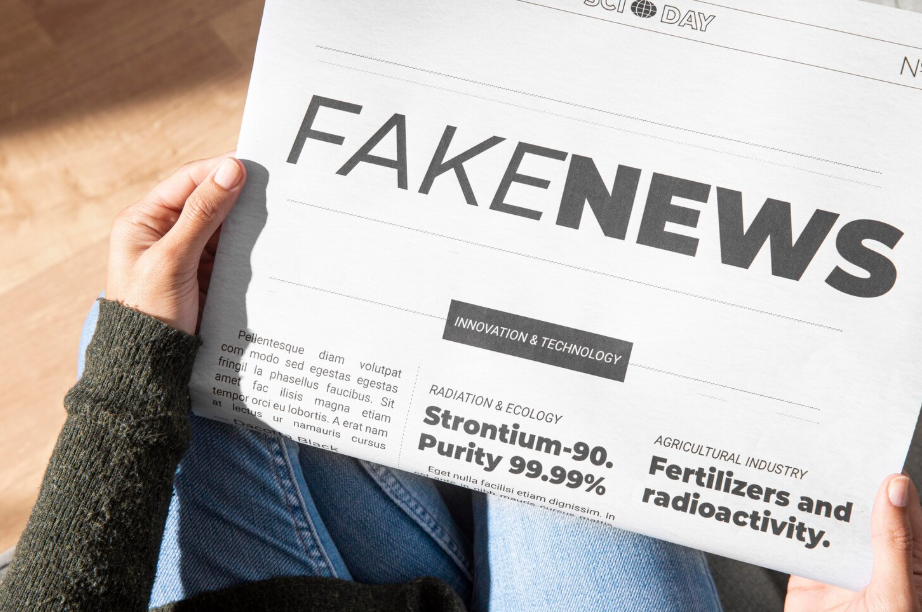
The internet has made information more accessible than ever, and more confusing. In 2025, we’re bombarded daily with breaking news, trending posts, and AI-generated content that blurs the line between fact and fiction.
The problem isn’t a lack of information; it’s too much of it. Amid this noise, knowing how to spot reliable news has become a vital life skill.
Fortunately, spotting reliable sources isn’t impossible. By combining skepticism with simple habits, anyone can become a more discerning reader in an era where misinformation spreads faster than the truth.
Check the Source Before the Story
The first rule of trustworthy news is to verify the source. Reputable outlets adhere to clear editorial standards, cite evidence, and correct errors promptly when they occur. Before sharing or reacting, take a moment to look at who published the story. Is it a recognized news organization, a government agency, or a credible nonprofit? Or is it a blog, a social media page, or a site with no clear ownership?
A quick check of a publication’s “About” page often reveals its credibility. Pay attention to whether it lists real editors and reporters, or hides behind anonymity. Fake news sites usually mimic legitimate brands by using similar URLs or logos, hoping to deceive readers who are scrolling quickly.
Remember: trustworthy journalism values transparency. If a source doesn’t tell you who they are or where their information comes from, that’s your first red flag.
To protect your data while you verify sources, check out Five Ways to Protect Your Online Privacy in 2025.
Follow the Trail of Evidence
Reliable reporting consistently relies on evidence, such as studies, official data, firsthand accounts, or verifiable records. Be cautious of articles that make sweeping claims without providing evidence to support them. A good test is to see whether multiple, independent outlets are reporting the same story. If a claim only appears on one obscure website, it’s likely exaggerated or false.
Watch for emotional language, too. Misinformation often relies on outrage, fear, or shock to spread quickly. Real journalism aims to inform, not inflame. Before believing a story that provokes a strong reaction, take a moment to consider the facts behind the feeling.
Another helpful trick: do a reverse image search for photos included in a post. Many misleading stories reuse old or unrelated images to appear authentic. A quick search can reveal where the photo first appeared and whether it’s being used honestly.
For context on tech supply headlines, see The Microchip Shortage Is Over — What Comes Next for Tech?
Understand Bias — Including Your Own
Every outlet has a perspective, even reputable ones. Understanding bias doesn’t mean rejecting a source, but recognizing its lens. Some publications lean towards a particular political, cultural, or ideological perspective, and being aware of this helps you interpret what you’re reading more critically.
At the same time, we all carry our own confirmation bias, which is the tendency to believe information that fits our existing views. In the age of personalized algorithms, that bias is amplified. News feeds are tailored to what keeps us clicking, not necessarily what keeps us informed. Actively seeking out multiple perspectives, especially from sources with which you don’t always agree, helps restore balance.
See how algorithms shape feeds in How AI Is Changing Everyday Life — Subtly but Completely.
Beware of AI-Generated and Deepfake Content
Advances in artificial intelligence have made it harder to detect misinformation. AI-generated articles, images, and even videos can appear authentic but contain subtle distortions or fabrications. Deepfake technology has also enabled the fabrication of realistic footage of people saying or doing things they never actually did.
To stay safe, look for verification cues, such as timestamps, context, and corroborating reports. Many major news outlets now use digital watermarks or authenticity tags to confirm original footage. Browser extensions and fact-checking organizations, such as Snopes, PolitiFact, and Reuters Fact Check, continue to be valuable tools for identifying fake information.
Read The Race to Build the First Quantum Internet for a look at cutting-edge tech developments.
Slow Down and Think Before Sharing
The simplest defense against misinformation is patience. Most false stories spread not because they’re believed, but because they’re shared too quickly. Before reposting, ask: Where did this come from? Who benefits if I believe it? Slowing down by even a few seconds can reduce the viral spread of false information.
In the age of information overload, truth requires effort, but it’s effort well spent. A world flooded with voices needs listeners who think critically, verify carefully, and share responsibly. That’s not just good digital citizenship; it’s the foundation of a healthy democracy.