
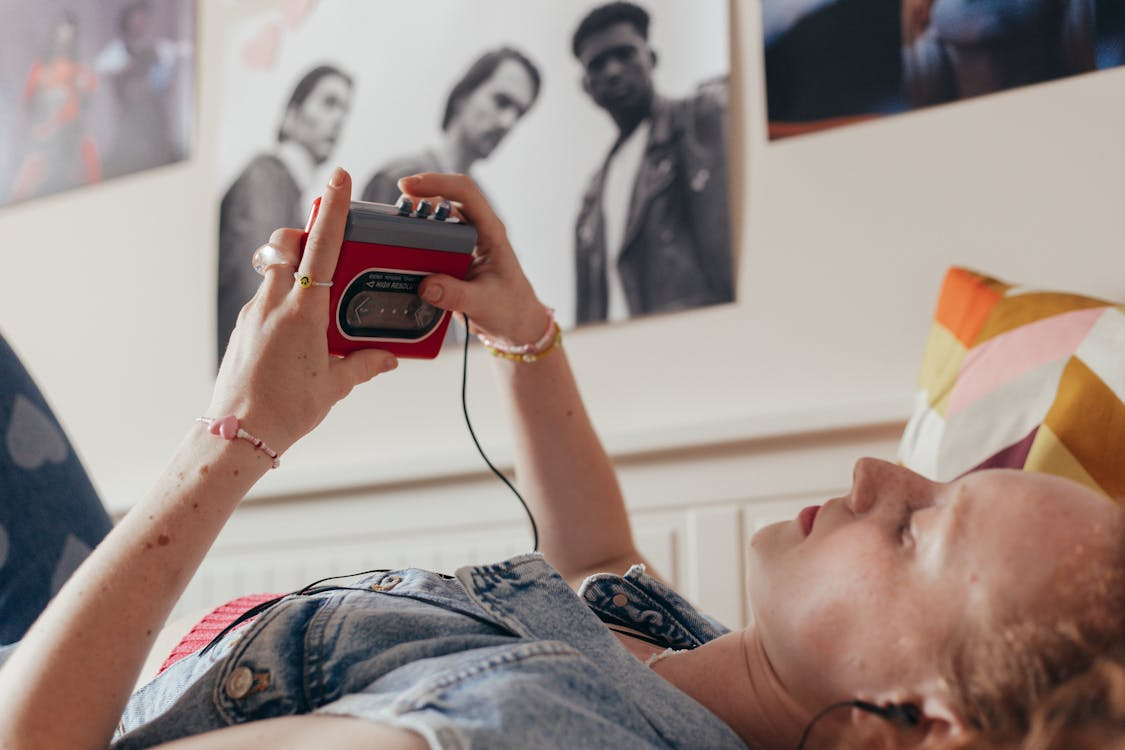
In an era where every song, photo, and movie can be stored in the cloud, it may seem strange that people are once again purchasing vinyl records, cassette tapes, and even film cameras.
Yet, the analog media revival is thriving in 2025. What began as nostalgia has evolved into a cultural countertrend. It’s a growing reaction to the impermanence and overstimulation of digital life.
Analog media’s return isn’t about rejecting technology. It’s about reclaiming tactility through the physical, sensory experience of engaging with music, images, and memories in ways that digital formats can’t replicate.
The Allure of Imperfection
Digital media offers unparalleled convenience: instant access, virtually unlimited storage, and precise reproduction. But perfection, as it turns out, can feel sterile. Analog formats, with their scratches, warmth, and unpredictability, carry a human quality that resonates deeply in an era of automation.
Vinyl records, for example, don’t just sound different; they feel different. Listeners engage with them deliberately through acts such as pulling an album from its sleeve, lowering the needle, and listening from start to finish. Each pop and crackle becomes part of the experience. Cassettes, with their compact hiss and mechanical whir, tap into similar sensory nostalgia.
Psychologists suggest that people crave this imperfection because it mirrors life itself, which is flawed, textured, and authentic. Analog media reminds us that beauty doesn’t need to be pixel-perfect.
See Why Adults Are Picking Up Crafts Again for more ways people are slowing down on purpose.
Tangibility in a Digital World
In a time when content feels infinite and disposable, analog offers something tangible. Collecting records or tapes turns listening into a ritual rather than background noise. The physicality of analog media — its weight, artwork, and permanence — creates emotional investment that streaming rarely achieves.
This desire for material connection extends beyond music. Film photography, for instance, has gained popularity among younger generations who grew up entirely in a digital world. Shooting on film forces intention: you can’t instantly delete, filter, or repost. Each shot carries risk and meaning.
That same craving for permanence drives interest in printed books, typewriters, and physical journals, unleashing a quiet rebellion against a world where everything can vanish with a server outage or algorithm change.
Nostalgia Meets Aesthetics
For many, analog media evoke a simpler, slower time—a time that feels increasingly out of reach. Younger consumers, who never lived through the vinyl or cassette eras, are drawn to their aesthetic and authenticity. The ritual of collecting and curating, whether it’s LPs, Polaroids, or VHS tapes, offers grounding in a hyper-digital culture.
Brands and artists are taking notice. Musicians often release limited-edition vinyl and cassette versions of their albums, paired with exclusive artwork. Indie filmmakers use analog film for its grain and warmth, while photographers embrace lo-fi cameras for their unpredictability. Even tech companies are designing digital devices that mimic the aesthetics of analog devices. It serves as further proof that the old is influencing the new.
Read Is Minimalism Out? The Comeback of Cozy, Cluttered Spaces for more on lifestyle comebacks.
The Science of Slowing Down
Analog media also support mindfulness. Engaging with physical formats requires slowing down by flipping a record, rewinding a tape, waiting for a film roll to develop. These small acts of patience stand in stark contrast to the instant gratification of streaming or scrolling through content.
Neuroscientists suggest that this slower pace enhances focus and enjoyment. When you interact physically with media, you form stronger memory associations and emotional bonds. Analog experiences invite presence, which is a rare commodity in the attention economy.
Blending the Old and the New
The analog comeback isn’t anti-digital; it’s complementary. Many enthusiasts blend both worlds, such as streaming music for convenience but collecting vinyl for ritual, or scanning film photos for online sharing. Hybrid devices, such as Bluetooth turntables and cassette players with digital converters, bridge the gap between eras.
In essence, the resurgence of analog reflects a desire for balance, combining technology with soul, and convenience with connection. It’s not regression; it’s recalibration.
Want habits that pair with analog’s slower pace? Try Digital Detox 2.0: The New Rules of Screen-Life Balance.
The Enduring Appeal of the Tangible
The return of analog reminds us that progress doesn’t always mean abandoning the past. In rediscovering the tactile and the imperfect, we’re finding new ways to appreciate art, memory, and time.
In the end, whether it’s the warmth of a record, the click of a camera, or the flicker of a film reel, analog’s charm lies in one simple truth: the more digital our lives become, the more we crave something real.