
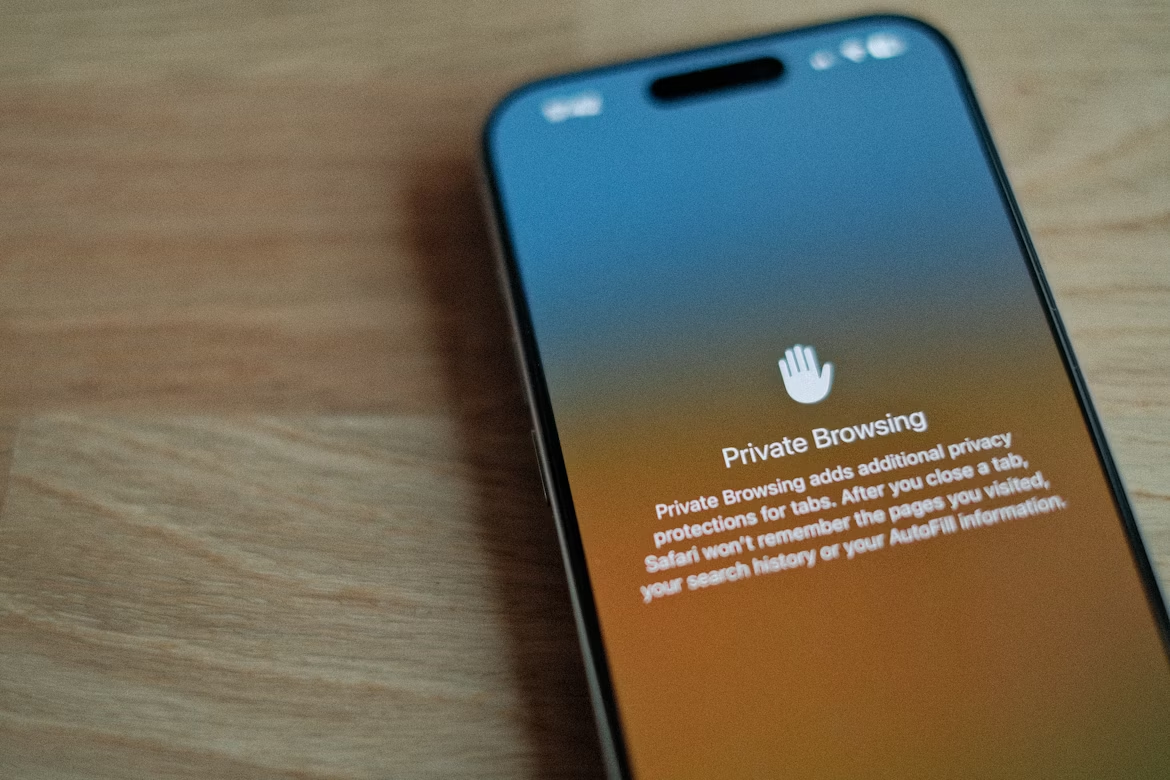
In 2025, the internet feels more connected than ever and more exposed. With every click, app, and smart device gathering data, online privacy has become one of the most valuable and vulnerable aspects of modern life.
While governments and tech companies are tightening regulations, personal responsibility remains essential. Protecting your privacy today isn’t about paranoia; it’s about digital hygiene.
Fortunately, small steps make a big difference. Whether you’re browsing, shopping, or sharing, here are five online privacy tips to safeguard your information and stay one step ahead in a data-driven world.
1. Use Smarter Password and Authentication Tools
The era of “password123” is long gone. In 2025, strong digital protection starts with secure authentication. Password managers automatically generate and store complex logins for every account, ensuring you don’t reuse credentials across sites. Many now include breach alerts, warning you when a service has been compromised.
Equally important is two-factor or multi-factor authentication (MFA). By requiring an additional code from a phone or security key, MFA dramatically reduces the risk of unauthorized access, even if your password is stolen. Biometrics, such as fingerprint or facial recognition, add another protective layer, but they should always complement, not replace, secure passwords.
Check out How to Spot Reliable News in the Age of Information Overload for smarter info sources.
2. Take Control of App and Device Permissions
Every app and device you use collects data, and often more than necessary. Regularly reviewing permissions is one of the simplest ways to regain control. Disable access to your location, contacts, microphone, and camera unless absolutely required.
Modern operating systems make this easier, offering dashboards that display exactly what data apps are accessing in real time. Smart home devices now include “privacy modes,” letting you mute microphones or block voice recordings with a single command. The key is awareness: if you don’t know what your devices are collecting, you can’t protect yourself from misuse.
See Streaming Shake-Up: Why Subscription Fatigue Is Setting In for tips on managing subscriptions and data sharing.
3. Browse and Communicate with Encryption
Encryption is your best friend online. Always ensure that the websites you visit use HTTPS by ensuring that you see the lock icon in your browser, which confirms a secure connection. For added protection, consider using a Virtual Private Network (VPN), which encrypts all traffic between your device and the internet, making it more difficult for hackers or trackers to intercept.
Messaging apps with end-to-end encryption, such as Signal or WhatsApp, prevent third parties (even the platform itself) from reading your conversations. Email providers are also increasingly offering encryption options. Using these services ensures that your private communications remain private.
See How AI Is Changing Everyday Life — Subtly but Completely to understand where your data flows.
4. Limit Data Sharing on Social Media
Social media remains one of the most significant privacy risks, mainly because users voluntarily share more than they realize. In 2025, the most discerning users are the most discerning. Adjust your profile visibility, avoid posting sensitive details such as your location or upcoming travel plans, and exercise caution when connecting with strangers or using third-party apps linked to your account.
Some platforms now provide “privacy checkups,” guiding you through settings that control who can see your posts and what data advertisers can use. Take advantage of these tools, and remember that once something is shared publicly online, it’s nearly impossible to erase entirely.
5. Update, Educate, and Stay Vigilant
Cybersecurity isn’t a one-time setup; it’s an ongoing practice. Regularly update your software, browsers, and apps to patch vulnerabilities before hackers exploit them. Phishing scams have become increasingly sophisticated, often mimicking trusted brands or individuals; therefore, treat unexpected emails and links with caution.
Education remains the most vigorous defense. Stay informed about new privacy threats and the latest scams. Consider enabling identity monitoring services that alert you to suspicious activity, such as your data appearing on the dark web.
Working from home? The Future of Work in a Hybrid World covers policies that reduce always-on risks.
Quick Takeaway
Online privacy isn’t about hiding. It’s about maintaining control. Put these online privacy tips on repeat: update software, audit permissions, use encryption, and secure your logins. A few steady habits today mean more control and far less exposure tomorrow.